

Ear Surgery in Guadalajara

Restore your hearing health and stop chronic ear infections

Dr. Karla Sanz evaluates middle ear conditions, chronic infections, and eardrum perforations to determine if you need medical or surgical management.

Ced. Prof. 9397120 Ced. Esp. 12326536 Certificación CONACEM SAL-3216/21
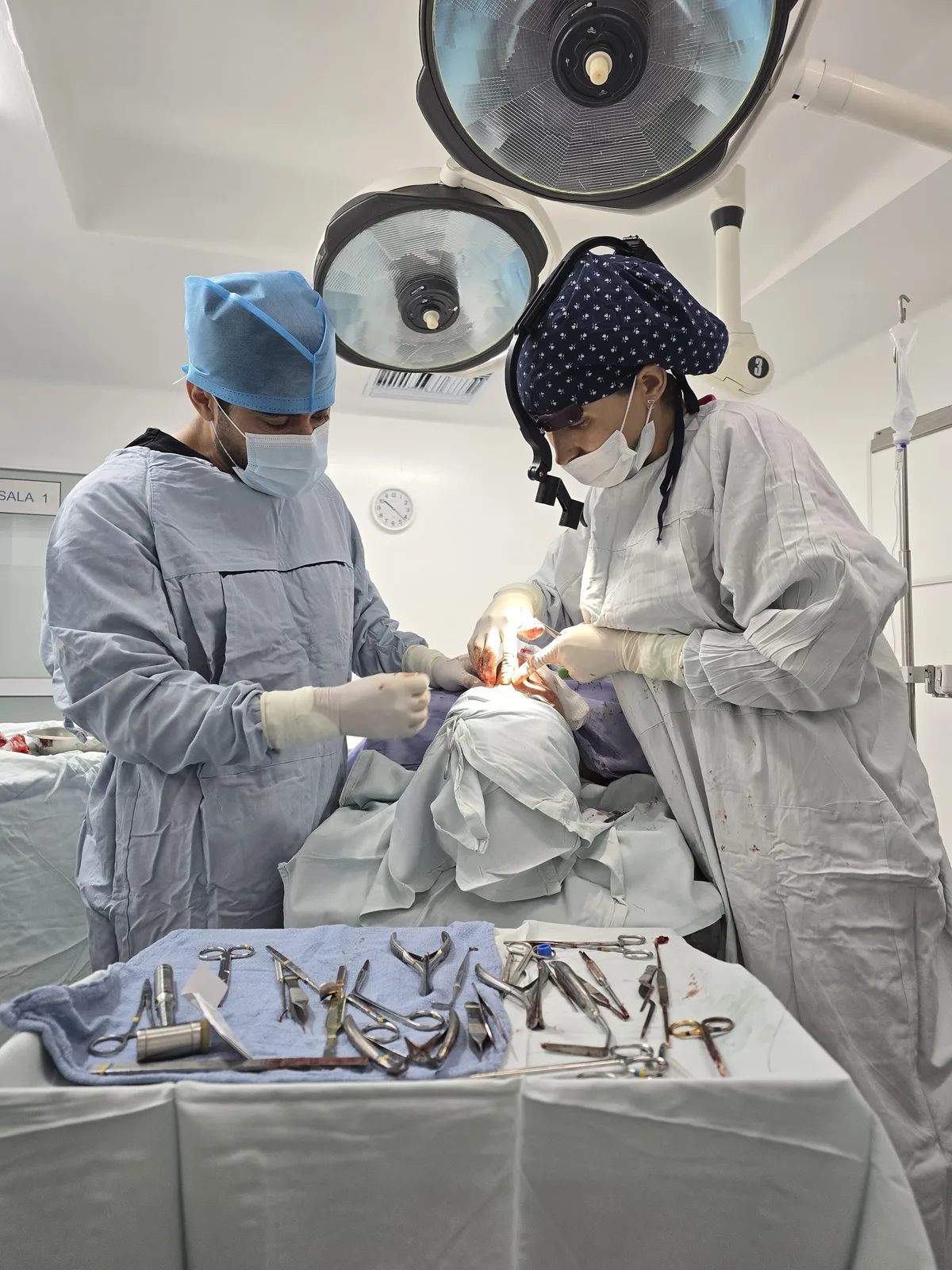
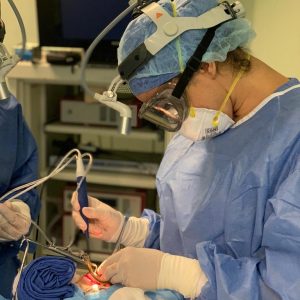
Surgical microscope and middle ear evaluation - Dr. Karla Sanz

When is it necessary to consider ear surgery?

There are middle ear conditions that do not respond to medications and require specialized surgical intervention to prevent permanent hearing damage:

Perforated eardrum (Non-healing hole)

A tear in the eardrum membrane that does not heal after 3 months, causing hearing loss and frequent infections due to water entry.

Constant infection and drainage

Continuous leakage of fluid, mucus, or pus from the middle ear that does not respond to drops or antibiotics, indicating chronic inflammation.

Cholesteatoma (Destructive cyst)

An abnormal growth of skin behind the eardrum that acts like a benign but invasive cyst, eroding the tiny hearing bones (ossicles).

Fluid trapped in the ear

Accumulation of thick fluid in the middle ear (recurrent serous otitis media) that blocks hearing. Very common in children with speech delays.

Dr. Karla Sanz, specialist in middle ear surgery in Guadalajara

The unified bridge: Upper Airway and your Ears

The middle ear is not an isolated cavity: it is connected directly to the back of the nose through the Eustachian tube. Therefore, chronic nasal obstruction, poorly managed allergic rhinitis, or swollen adenoids are often the true cause of abnormal pressures, fluid accumulation, and eardrum perforations.

Dr. Karla Sanz offers a comprehensive approach to the unified airway. By treating the nose and ear together, the goal is to optimize Eustachian tube function, reducing the risk of complications or recurrent fluid buildup.

Protocolos Médicos

How much does ear surgery cost in Guadalajara?

Transparent pricing tailored to your clinical diagnosis

Consulta de Valoración Especializada

Evaluación clínica integral de oído, nariz, garganta y vía respiratoria superior. Incluye tu historia clínica detallada, examen físico y la orientación del plan terapéutico inicial.

50-60 min
Consultorio presencial
Costo de Valoración

From $1,000 MXN

Reservar Espacio

The final cost of ear surgical procedures is determined after a personalized medical evaluation in the office. This depends on the complexity of each case and the selected hospital option.

The estimated budget includes the medical fees of the specialist team and the costs of the certified hospital where the procedure is scheduled.

Aviso de Consulta Presencial: El canal de WhatsApp es de carácter estrictamente administrativo para agendar y cotizar. Por ética médica y normatividad legal, no se realizan diagnósticos ni se prescriben tratamientos a distancia.

Essential ear examinations and audiological studies

1

Otoscopy and Ear Endoscopy

Microscopic or endoscopic evaluation of the ear canal and eardrum to assess the size and status of the perforation.

2

Audiometry and Tympanometry

Essential audiological tests to measure real hearing levels and verify the mechanical function of the middle ear.

3

Surgical Technique Proposal

Explanation of the indicated type of surgery (microscopic or endoscopic), preoperative care, and delivery of the hospital budget.

Common middle ear surgical procedures

Tympanoplasty Evaluation

Clinical evaluation to determine the feasibility of repairing a perforated eardrum using grafts, aiming to prevent recurrent infections and improve hearing.

Mastoidectomy Evaluation

Study and diagnosis of the mastoid region in cases of suspected cholesteatoma or chronic bone infections requiring deep cleaning.

Ear Tubes Evaluation

Assessment of the need to place small drainage devices (tympanostomy tubes) in the eardrum to equalize pressure and drain accumulated fluid.

Otosclerosis Evaluation

Study of stapes bone stiffness to determine if the patient is a candidate for a reconstructive procedure (stapedectomy) to restore hearing.

Step-by-step surgical patient process

1

Consultation & Audiometry

The doctor clinically evaluates your ear and reviews audiometry tests to confirm if you are a candidate for surgery.

2

Preoperative Preparation

Blood tests and pre-anesthesia evaluation are requested to ensure maximum safety in the operating room.

3

Surgery in Operating Room

The procedure is performed under general anesthesia in a certified hospital. Most cases are outpatient, allowing you to go home the same day.

4

Recovery & Follow-up

Regular follow-up appointments in the office to monitor graft healing and provide medical clearance, typically between the 4th and 6th week.

Dra. Karla Sanz
Especialista Certificada

Dra. Karla Sanz

Otorrinolaringóloga y Cirujana de Cabeza y Cuello

Médica cirujana egresada de la Universidad de Guadalajara, especialista certificada por el Certificada por el Consejo Mexicano de Otorrinolaringología y Cirugía de Cabeza y Cuello. Su práctica clínica y quirúrgica prioriza el diagnóstico responsable, combinando la salud y funcionalidad respiratoria con resultados estéticos naturales y equilibrados.

Céd. Prof. 9397120 Céd. Esp. 12326536 Certificación SAL-3216/21

Frequently Asked Questions about Ear Surgery

Respuestas y aclaraciones sobre tu cirugía de nariz y valoración clínica.

Does ear surgery hurt during recovery?
Pain is typically mild to moderate and is effectively managed with common pain medications prescribed by the doctor. It is normal to feel a clogged or bubbling sensation in the ear during the first few weeks due to the gelatin sponges placed to support the eardrum graft.
Will I fully recover my hearing after surgery?
The primary goal of surgeries like tympanoplasty is to close the perforation and eliminate infection. If the hearing loss was conductive (caused by the torn eardrum or fluid), there is usually a noticeable improvement. However, if there is pre-existing nerve damage (sensorineural hearing loss), surgery cannot reverse that damage.
What special care should I take after ear surgery?
The most critical care is to strictly prevent water from entering the operated ear (a cotton ball coated with Vaseline is used while bathing). You must also avoid blowing your nose hard, sneezing with your mouth closed, lifting heavy objects, and flying during the first 4 to 6 weeks to prevent sudden pressure changes.
At what age can ear tubes be placed in children?
There is no restrictive minimum age. If an infant or toddler has persistent fluid accumulation that affects hearing or causes recurrent infections interfering with speech development, ear tube insertion can be safely performed under short inhaled anesthesia.

Última revisión y actualización de contenido: Junio 2026. Esta información tiene fines únicamente orientativos y no sustituye la valoración médica presencial.

Ear, nose, or throat discomfort?

Schedule a consultation with Dr. Karla Sanz.