While tobacco consumption is widely recognized for its severe risks to lung and cardiovascular health, the nasal cavity is the very first line of exposure to the hot gases and over 4,000 toxic chemicals contained in cigarette smoke. From an otolaryngological perspective, the damage to the nasal mucosa is immediate, cumulative, and profoundly disrupts upper airway physiology.
1. Ciliary Paralysis: Disruption of Mucociliary Clearance
The interior of your nose and paranasal sinuses is lined with microscopic, hair-like structures called cilia. These cilia beat rhythmically in a coordinated layer of mucus, acting as a natural conveyor belt (mucociliary clearance) to sweep trapped dust, bacteria, viruses, and environmental pollutants toward the back of the throat to be swallowed and eliminated.
- Immediate Effect: Inhaling hot tobacco smoke rapidly paralyzes these microscopic cilia (ciliastasis).
- Chronic Effect: Over time, continuous exposure leads to structural destruction of the ciliary lining. Without functioning cilia, mucus becomes thick and stagnant, turning the sinuses into a breeding ground for chronic bacterial infections.
2. Chronic Nasal Mucosal Inflammation & Congestion
Toxic compounds in tobacco smoke—including nicotine, formaldehyde, and acrolein—cause direct chemical irritation and chronic inflammation of the nasal lining:
- Turbinate Hypertrophy: Constant irritation causes the inferior turbinates (the tissue structures that warm and humidify air) to become permanently swollen and engorged, producing chronic nasal obstruction.
- Impaired Sense of Smell (Hyposmia): Chemical toxins damage the olfactory epithelium and sensory receptors located at the roof of the nasal cavity, reducing your ability to smell and taste food properly.
- Dryness & Recurrent Nosebleeds (Epistaxis): Hot, dry smoke breaks down the protective mucus layer, causing fragile blood vessels on the nasal septum to crack and bleed.
3. Increased Risk of Chronic Sinusitis & Polyps
Because smoking impairs natural sinus drainage and suppresses local immune antibodies (IgA), smokers experience a significantly higher incidence of chronic rhinosinusitis. Stagnant inflammation can also contribute to the development of benign nasal polyps, which further block airflow and require specialized ENT intervention.
4. Secondhand Smoke (Passive Smoking)
Passive exposure to secondhand smoke causes similar upper airway inflammatory changes, particularly in children. Children exposed to secondhand smoke suffer higher rates of chronic nasal congestion, recurrent middle ear infections (otitis media with effusion), and enlarged adenoids.
5. Timeline of Nasal Mucosa Recovery After Quitting
The good news is that the respiratory mucosa possesses remarkable regenerative capacity once exposure stops:
- 24 to 48 Hours: Acute mucosal irritation begins to subside, and hydration of the nasal lining improves.
- 1 to 3 Months: Ciliary function begins to recover, allowing the natural mucociliary clearance belt to resume clearing trapped mucus and debris.
- 6 to 12 Months: Chronic sinus inflammation decreases, frequency of sinus infections drops significantly, and olfactory sensitivity gradually improves.
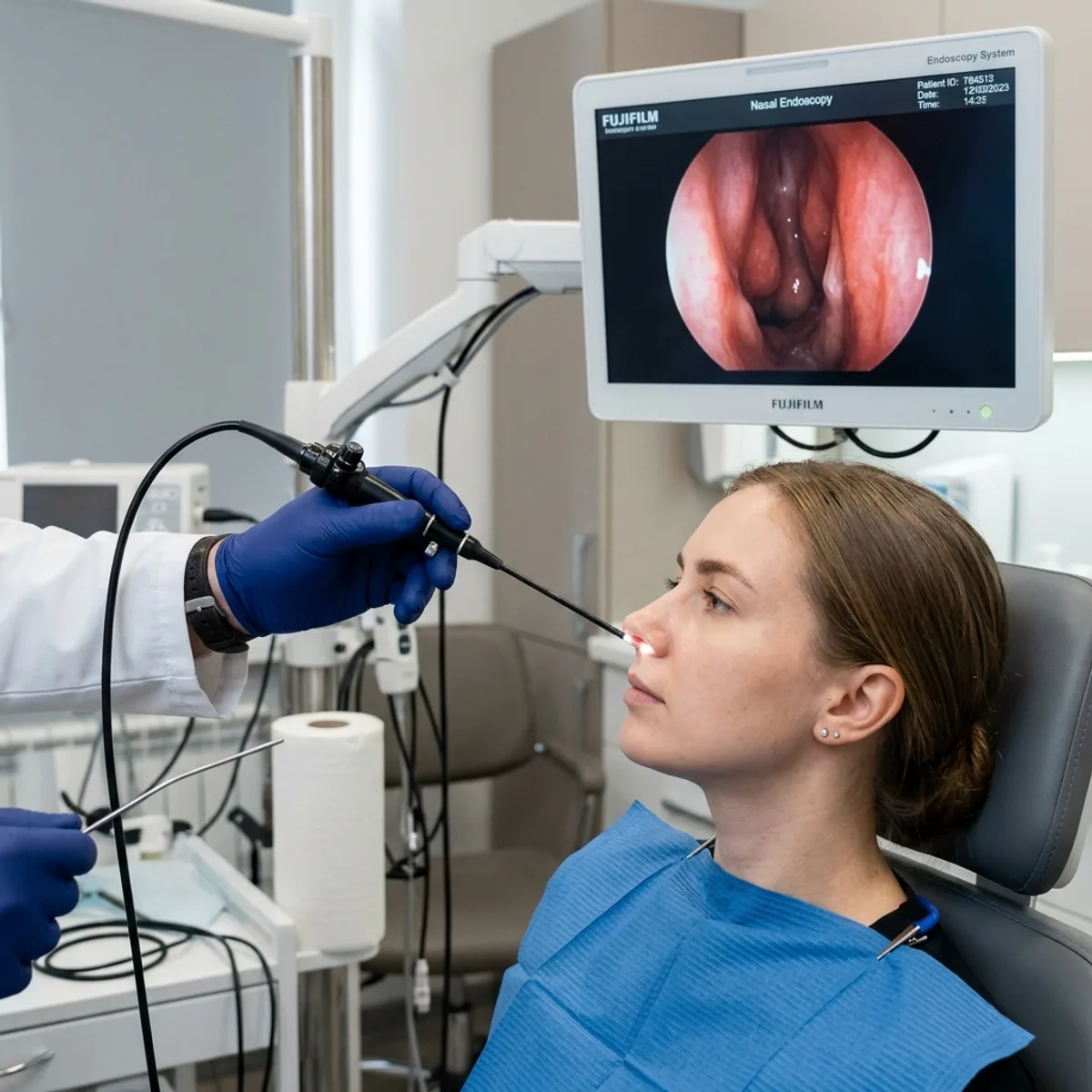
If you suffer from persistent nasal congestion, facial pressure, or sinus trouble related to smoke exposure, an ENT medical evaluation with nasal endoscopy can help assess mucosal health and establish an effective therapeutic path toward full recovery.

Dr. Karla Sanz
Otolaryngology & Head and Neck Surgery Specialist
Board-certified specialist in the prevention, medical diagnosis, and surgical treatment of ear, nose, throat, and head and neck conditions in Guadalajara and Zapopan.