Feeling as though the inside of your nose is swollen, accompanied by a constant sensation of blockage that makes breathing difficult, is an exhausting problem. All too often, patients attempt to self-treat with over-the-counter decongestant nasal sprays for weeks on end—unaware that prolonged use can severely worsen inflammation and damage the delicate nasal lining.
Understanding why your inner nasal passages are swollen is the first step toward achieving safe, long-term breathing relief.
1. What Actually Swells Inside the Nose?
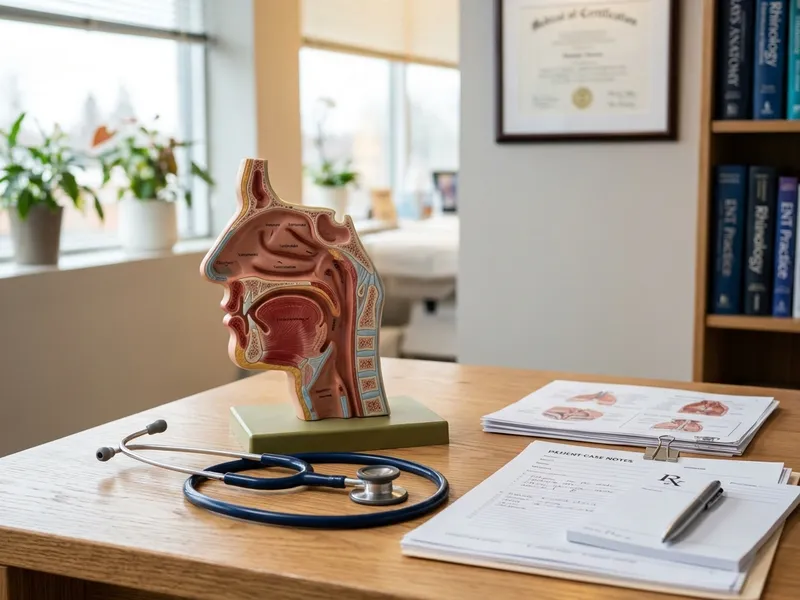
When patients describe a swollen feeling inside their nose, they are usually experiencing swelling of the nasal turbinates (specifically the inferior turbinates).
Turbinates are bony structures covered by vascular mucosal tissue located along the side walls of the nasal cavity. Their job is to filter, warm, and humidify the air you inhale. When these tissues become inflamed, they expand dramatically, narrowing the nasal airway and restricting airflow.
2. Most Common Medical Causes
A. Inferior Turbinate Hypertrophy
Chronic irritation or persistent allergies cause the soft tissue surrounding the turbinates to remain enlarged. This enlargement often shifts from side to side (following the physiological nasal cycle) or causes constant, bilateral nasal blockage.
B. Allergic & Non-Allergic Rhinitis
- Allergic Rhinitis: Triggered by airborne allergens (dust mites, pollen, pet dander), causing histamine release and rapid tissue swelling.
- Non-Allergic (Vasomotor) Rhinitis: Caused by environmental changes like temperature drops, strong scents, weather shifts, or stress without an allergic trigger.
C. Rebound Congestion (Rhinitis Medicamentosa)
Overusing topical oxymetazoline or phenylephrine decongestant sprays for more than 3 to 5 consecutive days causes a severe rebound effect. When the spray wears off, the blood vessels expand even more than before, creating a cycle of dependency and intense swelling.
D. Deviated Nasal Septum
A bent or off-center septum restricts space on one side of the nose, causing the opposite turbinate to enlarge to compensate (compensatory hypertrophy), leading to chronic breathing obstruction.
E. Sinusitis or Nasal Polyps
Persistent sinus infections or non-cancerous mucosal growths (polyps) can obstruct the nasal passages and cause a sensation of internal pressure and fullness.
3. The Danger of Self-Treating with OTC Sprays
Oxymetazoline sprays provide fast temporary relief by constricting blood vessels. However, using them chronically deprives the nasal mucosa of oxygen, causing tissue tolerance and severe rebound hypertrophy (rhinitis medicamentosa). Breaking this cycle requires professional ENT guidance and specialized anti-inflammatory treatments.
4. How an ENT Specialist Evaluates Swollen Nasal Passages
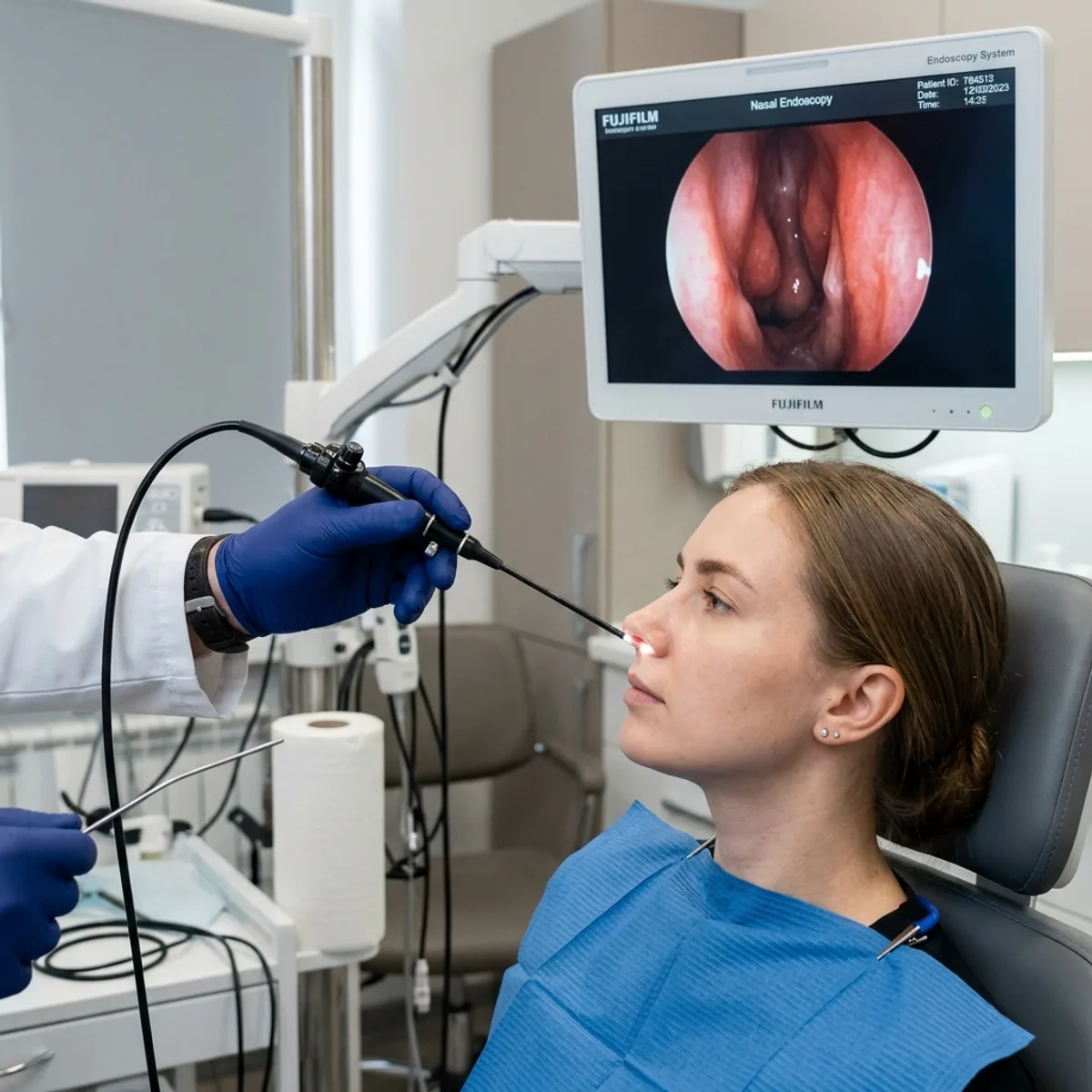
During an evaluation, an Otolaryngologist performs a painless diagnostic nasal endoscopy using a small camera to directly inspect the interior of your nasal cavity. This allows the specialist to:
- Evaluate the exact size and color of your turbinates.
- Check the alignment of your nasal septum.
- Exclude nasal polyps, sinus blockage, or structural abnormalities.
5. Effective Medical & Surgical Solutions
Depending on the underlying cause, treatment options include:
- Topical Nasal Steroids: Prescription anti-inflammatory sprays that safely reduce turbinate swelling without causing rebound dependency.
- Nasal Saline Rinses: Isotonic saline washes that clear irritants and hydrate inflamed mucosa.
- Radiofrequency Turbinate Reduction: A minimal, outpatient procedure that reduces enlarged turbinate volume using controlled thermal energy while preserving normal tissue function.
If persistent inner nasal swelling is affecting your sleep, energy, or quality of life, schedule a specialized ENT evaluation for an accurate diagnosis and lasting relief.

Dr. Karla Sanz
Otolaryngology & Head and Neck Surgery Specialist
Board-certified specialist in the prevention, medical diagnosis, and surgical treatment of ear, nose, throat, and head and neck conditions in Guadalajara and Zapopan.