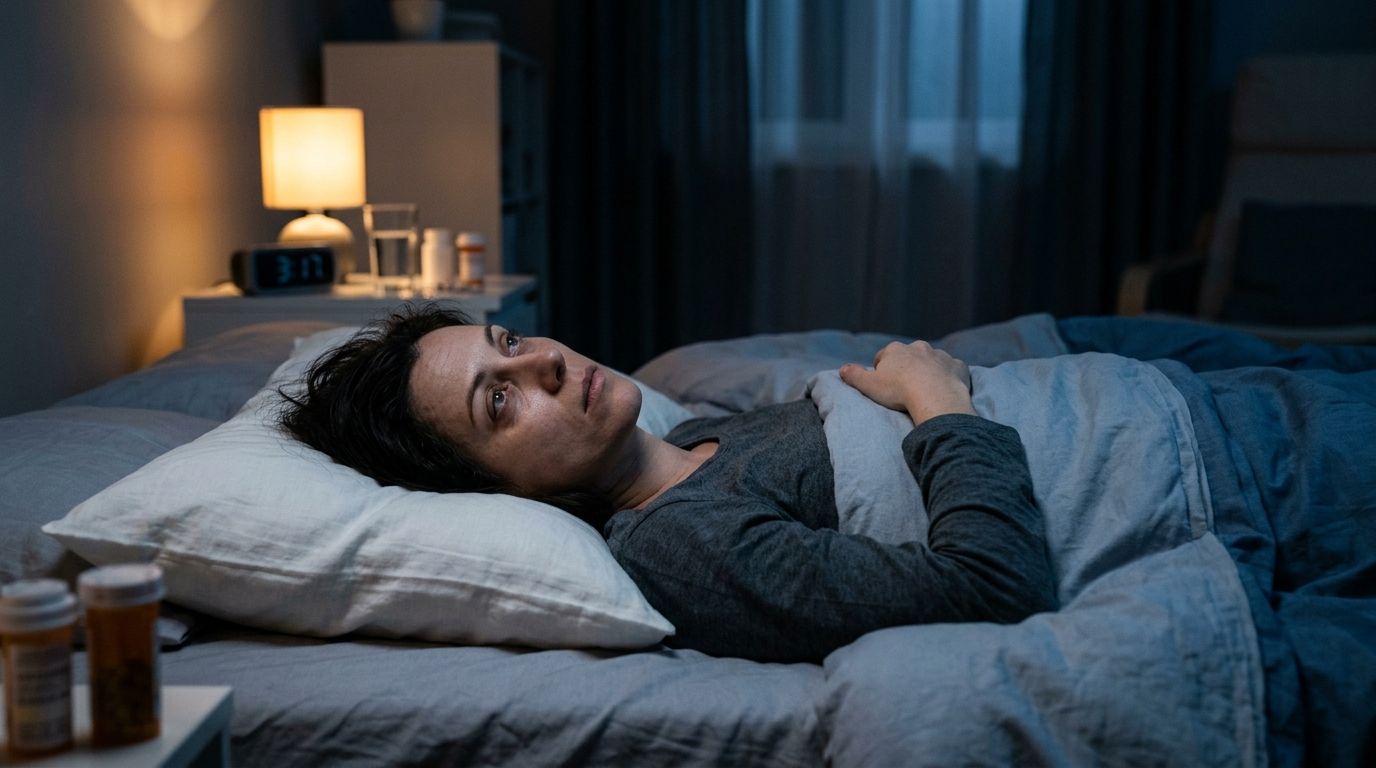
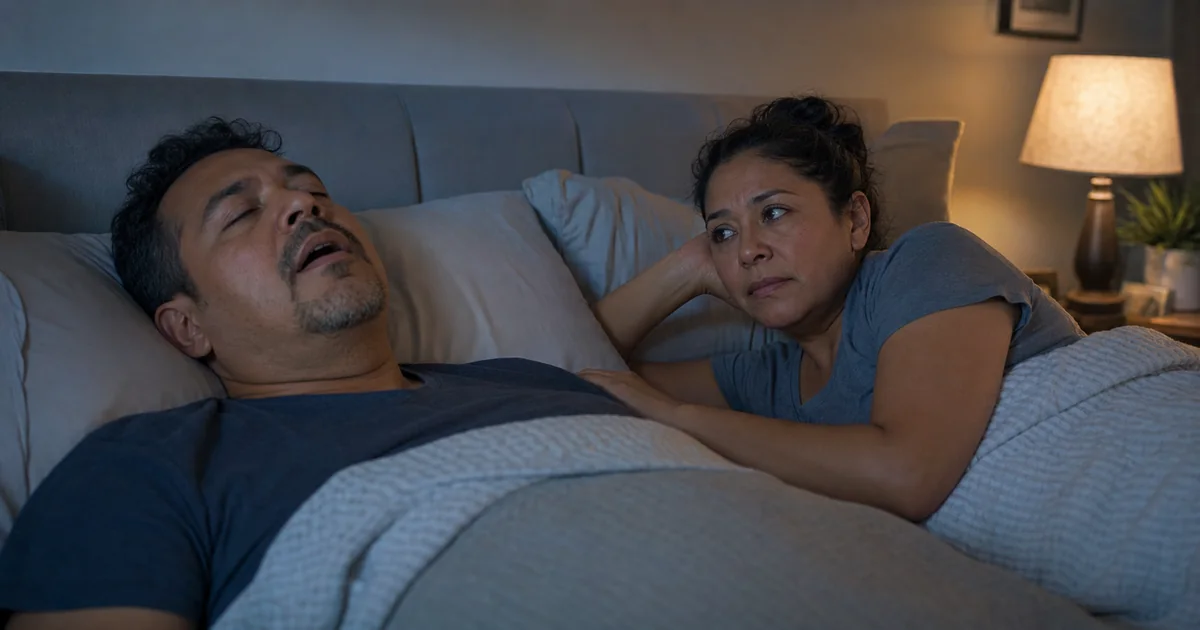
Hearing your partner snore loudly and suddenly stop breathing for several seconds can be deeply concerning. After the pause, breathing often resumes with a gasp, a sudden body jerk, or an even louder snore.
While many families become accustomed to snoring and consider it just a normal way of sleeping, repeated breathing pauses should never be ignored. They can be a clear sign of Obstructive Sleep Apnea (OSA) and warrant a medical evaluation to determine what is happening.
Does All Snoring Mean Sleep Apnea?
No. Snoring alone does not confirm that someone has sleep apnea. However, loud and frequent snoring indicates that air is encountering significant resistance as it passes through the upper airway during sleep.
The possibility of sleep apnea becomes much higher when snoring is accompanied by breathing pauses, gasping, choking sensations, non-restorative sleep, or persistent daytime fatigue.
You do not need to measure how many seconds each pause lasts. If you notice that breathing stops repeatedly or that your partner appears to struggle to resume breathing, scheduling an ENT evaluation is recommended.
Warning Signs to Watch for While Your Partner Sleeps
In addition to snoring, pay close attention to the following signs:
- Repeated pauses in breathing throughout the night.
- Gasping, snorting, or choking sounds when breathing restarts.
- Sudden, restless body movements or shifting positions frequently.
- Frequent awakenings or tossing and turning.
- Waking up multiple times to urinate (nocturia).
- Waking up with a dry mouth or morning headaches.
- Sleeping 7 to 8 hours but still feeling exhausted the next day.
- Daytime irritability, difficulty concentrating, or mood swings.
- Falling asleep during meetings, while working, or during routine daily activities.
One of the most dangerous warning signs is feeling drowsy while driving. If this occurs, the person should not continue driving and should seek medical attention promptly.
When Should You Schedule an Appointment?
It is advisable to book an evaluation when snoring is consistent, disrupts your partner’s rest, or occurs alongside breathing pauses and daytime sleepiness.
Consultation is also particularly important if your partner has high blood pressure, recent weight gain, a wide neck circumference, a family history of sleep apnea, or cardiovascular conditions. While these factors do not confirm a diagnosis on their own, they help assess overall risk and determine whether a diagnostic study is required.
There is no need to wait until symptoms become severe. Identifying the problem early clarifies whether it is simple primary snoring, an anatomical airway obstruction, or a sleep disorder that requires targeted treatment.
If you recognize several of these warning signs, you can request an evaluation for snoring and sleep apnea in Guadalajara.
What Happens During the Medical Evaluation?
During your office visit, we evaluate both nighttime and daytime symptoms, complete medical history, and sleep habits. Insights from the bed partner are exceptionally valuable, as patients are often unaware of their own breathing pauses.
We also examine the upper airway structures that influence breathing during sleep, including:
- Nose, nasal septum, and turbinates.
- Soft palate and uvula.
- Palatine tonsils, adenoids, and tongue base.
- Neck circumference.
- Weight, height (BMI), and other relevant clinical metrics.
Standardized clinical screening questionnaires may be used to estimate the probability of apnea. These tools help guide the clinical assessment but do not replace an objective sleep study when indicated.
Is a Sleep Study Always Necessary?
Not in every case. The decision depends on symptoms, physical examination findings, medical history, and overall clinical complexity.
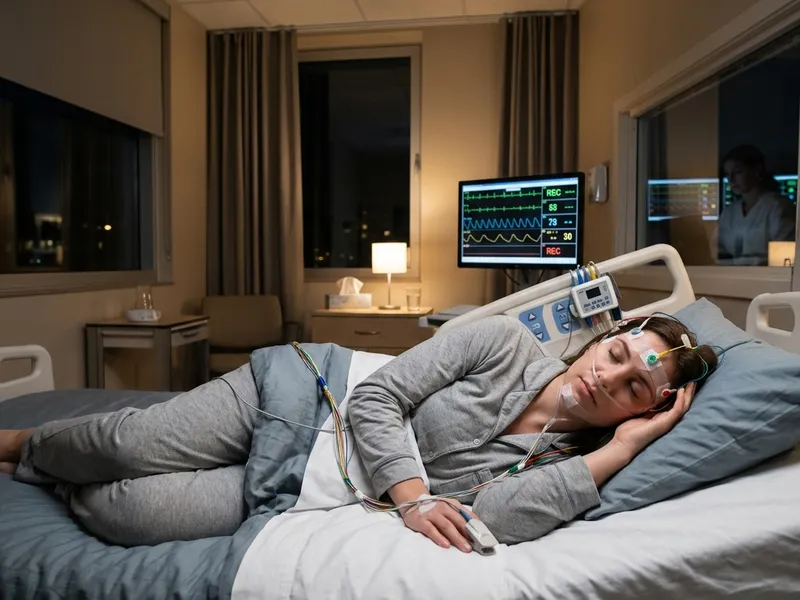
When Obstructive Sleep Apnea is suspected and the patient is an appropriate candidate, a home sleep apnea test (respiratory polygraphy) may be ordered. This test records vital respiratory parameters while the patient sleeps comfortably at home in their own bed.
If a broader evaluation is required—or if underlying medical conditions necessitate closer supervision—an in-lab polysomnography at a sleep clinic may be recommended.
The goal is not to order tests indiscriminately, but to choose the specific diagnostic tool that provides the clarity needed to formulate an effective treatment plan. You can learn more about sleep studies available in Guadalajara.
Avoid Treating the Problem Without Medical Guidance
Oxygen therapy, over-the-counter sleep aids, and makeshift devices should not be used based on casual recommendations or simply because they worked for someone else. Snoring and breathing pauses can have very different anatomical and physiological causes, and proper management depends on physical findings and objective sleep data.
An Evaluation Is the First Step Toward Better Sleep and Health
Treatment is not determined solely by the number of breathing pauses per hour (AHI). It also takes into account symptom severity, oxygen drops, airway anatomy, cardiovascular risk factors, and diagnostic test results.
If your partner snores loudly, pauses their breathing, or struggles with daytime exhaustion, schedule a sleep evaluation with Dr. Karla Sanz. Identifying the root cause provides clear clinical direction and prevents sleep disruption from compromising your partner’s health, focus, and daily safety.
Medical References
- National Heart, Lung, and Blood Institute (NHLBI). Sleep Apnea: Symptoms and Causes.
- American Academy of Sleep Medicine (AASM). Clinical Practice Guideline for Diagnostic Testing for Adult Obstructive Sleep Apnea.
- American Academy of Sleep Medicine (AASM). Clinical Use of a Home Sleep Apnea Test: Updated Position Statement.

Dr. Karla Sanz
Otolaryngology & Head and Neck Surgery Specialist
Board-certified specialist in the prevention, medical diagnosis, and surgical treatment of ear, nose, throat, and head and neck conditions in Guadalajara and Zapopan.