You step out of a live music venue, club, or festival buzzing with excitement after an incredible night. But as you settle into a quiet car or bed, you notice a persistent, high-pitched ringing or buzzing sound in your ears. Voices sound muffled, as though everyone is speaking through a thick blanket.
This post-concert ringing is tinnitus caused by acoustic trauma. Understanding what happens inside your inner ear during loud sound exposure is essential for protecting your long-term hearing.
1. What Happens Inside Your Ears During Loud Sound Exposure?
Inside your inner ear lies the cochlea, a fluid-filled, snail-shaped organ lined with thousands of delicate sensory receptors called hair cells (stereocilia). These microscopic hair cells convert sound wave vibrations into electrical signals sent to your brain via the auditory nerve.
Concert sound levels routinely reach 100 to 120 decibels (dB)—far exceeding the safe continuous exposure limit of 85 dB.
- Overstimulation: Extreme acoustic energy violently flexes hair cells back and forth.
- Metabolic Exhaustion & Swelling: Hair cells experience metabolic fatigue, oxidative stress, and microscopic structural damage.
- Abnormal Signal Discharge: Overstimulated, damaged hair cells continuously fire false electrical impulses to the auditory cortex, which your brain interprets as a ringing, buzzing, or hissing sound (tinnitus).
2. Temporary Threshold Shift (TTS) vs. Permanent Hearing Damage
Temporary Threshold Shift (TTS)
After moderate exposure to loud noise, your hearing sensitivity drops temporarily, and tinnitus sets in. As hair cells rest and repair over 16 to 48 hours, tinnitus usually fades, and hearing sensitivity gradually returns to baseline.
Permanent Threshold Shift (PTS) & Hidden Hearing Loss
Repeated exposure to excessive sound levels—or a single extreme blast—can permanently snap or kill auditory hair cells. Human hair cells cannot regenerate.
Furthermore, recent auditory research reveals that even if your overt hearing thresholds recover after a concert, loud sound exposure can destroy the delicate synaptic connections between hair cells and nerve fibers—a phenomenon known as hidden hearing loss (cochlear synaptopathy). This causes difficulty understanding speech in noisy environments later in life.
3. What to Do Immediately After a Concert
If you experience post-concert tinnitus:
- Give Your Ears Absolute Quiet: Avoid headphones, loud music, or noisy environments for at least 24 to 48 hours to allow hair cells metabolic rest.
- Hydrate & Rest: Drink plenty of water and rest; adequate blood flow and antioxidants support cellular repair.
- Do Not Insert Objects: Never put cotton swabs, earplugs, or liquid remedies into your ear canal while experiencing acute acoustic trauma.
4. Red Flag Symptoms: When to Seek Urgent ENT Care
While mild post-concert ringing often improves within 24 to 48 hours, you should see an Otolaryngologist urgently if:
- Hearing loss is severe or pronounced in one ear only.
- You experience spinning dizziness, room tilting, or vertigo.
- You experience sharp ear pain or fluid discharge.
- The ringing or muffled hearing persists beyond 72 hours.
Urgent medical management with oral antioxidants or prescription corticosteroids within the first few days of acute acoustic trauma can help reduce inner ear inflammation and protect auditory nerve connections.
5. How to Protect Your Hearing at Future Events
You don’t have to give up live music to safeguard your hearing:
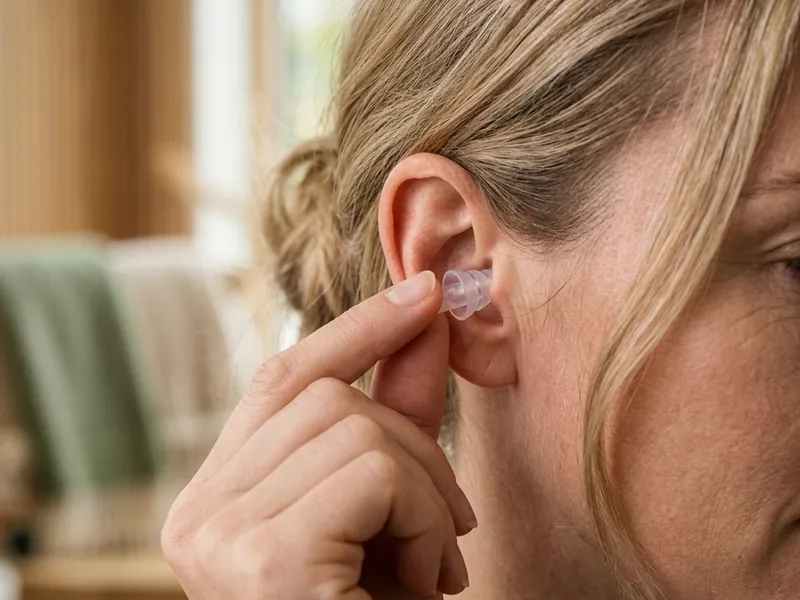
- Use High-Fidelity Musician Earplugs: Unlike cheap foam plugs that muffle sound, musician earplugs reduce volume evenly across frequencies, maintaining clear music quality at safe decibel levels.
- Keep Your Distance from Speakers: Stand away from main speaker stacks and amplifiers.
- Take Quiet Breaks: Step outside or into a quieter lounge area for 10 minutes every hour to give your auditory system a rest.
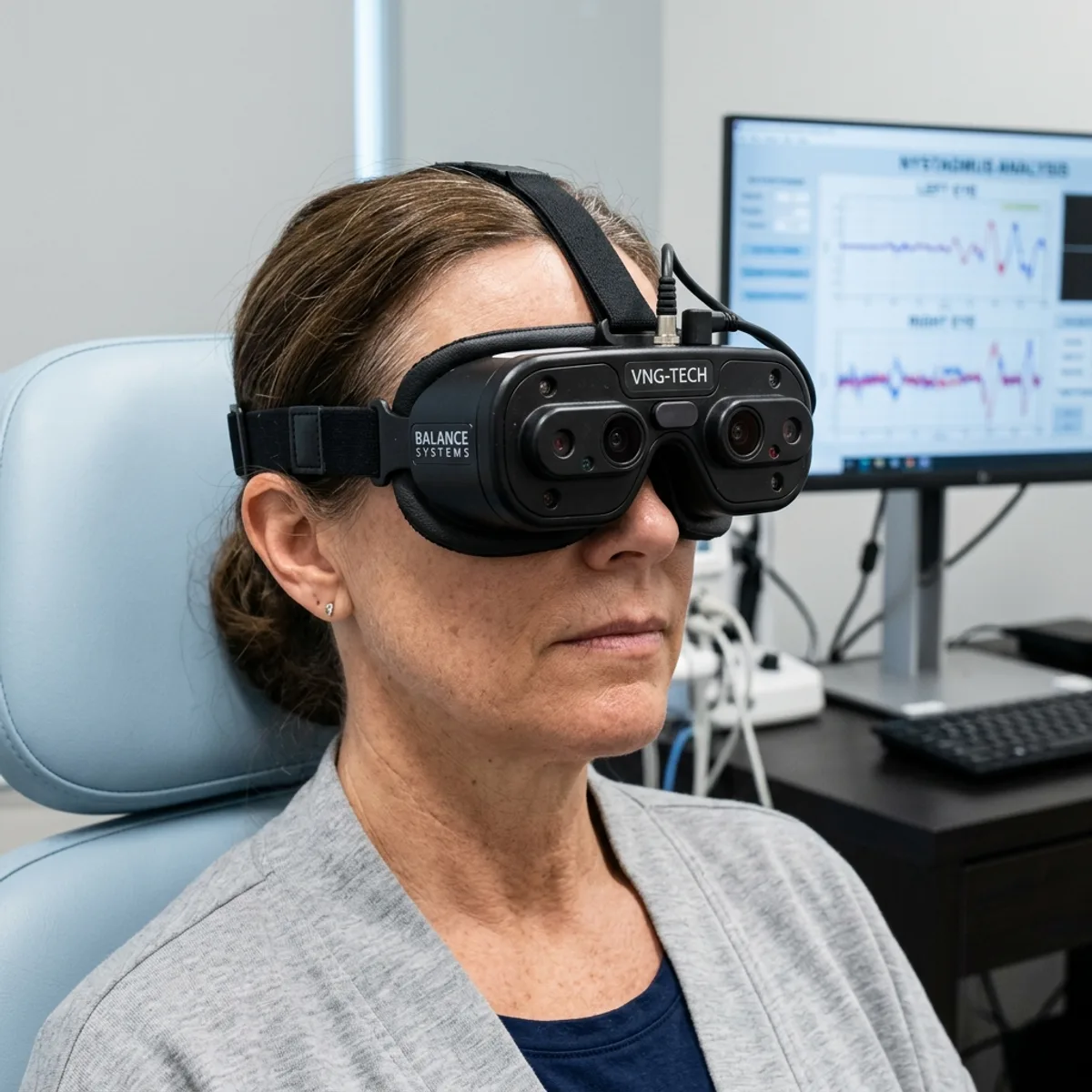
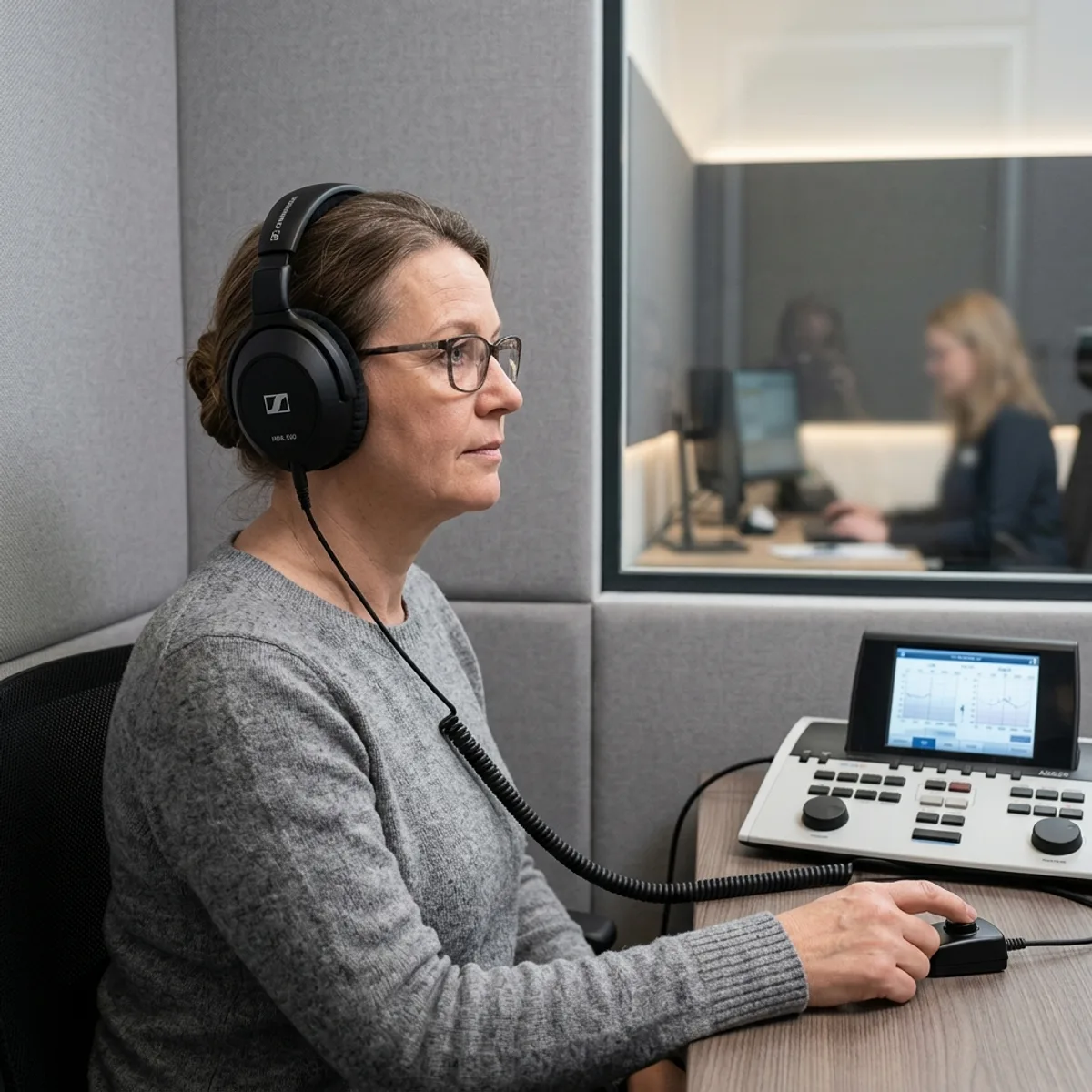
If ringing or muffled hearing persists after a concert, schedule a professional audiometric evaluation with Dr. Karla Sanz in Guadalajara.

Dr. Karla Sanz
Otolaryngology & Head and Neck Surgery Specialist
Board-certified specialist in the prevention, medical diagnosis, and surgical treatment of ear, nose, throat, and head and neck conditions in Guadalajara and Zapopan.