Almost every traveler has experienced the uncomfortable feeling of clogged ears, popping sensations, or sharp eardrum pain while taking off, landing in an airplane, or driving through high-altitude mountain passes. This medical condition is known as ear barotrauma (or barotitis media).
While usually temporary, severe barotrauma can cause intense pain, fluid buildup behind the eardrum, and in rare cases, eardrum perforation.
1. The Physics of Ear Barotrauma: Why Do Ears Pop?
Your ear is divided into three sections: outer, middle, and inner. The middle ear is an air-filled cavity located behind the flexible eardrum (tympanic membrane).
To hear clearly and without discomfort, the air pressure inside your middle ear must match the surrounding environmental atmospheric pressure.
The Role of the Eustachian Tube:
The Eustachian tube is a small biological channel connecting the middle ear space to the back of your nasal cavity and throat.
- Under normal conditions, the Eustachian tube remains closed.
- When you swallow, yawn, or chew, tiny palatal muscles contract, opening the Eustachian tube for a fraction of a second.
- This brief opening allows air to enter or exit the middle ear, equalizing internal pressure with atmospheric pressure.
2. What Happens During Flight Takeoff and Landing?
A. Takeoff (Ascent)
As the cabin altitude increases, cabin atmospheric pressure decreases. The air inside your middle ear is now at higher pressure than the cabin. Expanding air naturally pushes outward against the eardrum until the Eustachian tube opens and releases excess pressure (causing a soft “pop”). Ascent is usually easier on the ears.
B. Landing (Descent) — The Danger Zone
As the aircraft descends, cabin atmospheric pressure rapidly rises. The air inside your middle ear remains at a lower pressure, creating a vacuum effect. This vacuum sucks the flexible eardrum inward toward the middle ear space.
If your Eustachian tube is swollen or blocked by a cold or allergies, it gets “sucked shut” by the pressure gradient. As the plane continues descending, the vacuum strengthens, causing intense pain, muffled hearing, and potential tissue damage.
3. Effective Equalization Techniques for Passengers
To prevent or resolve airplane ear during flight descent, practice these safe pressure equalization maneuvers:
- Swallow or Yawn Frequently: Swallowing directly activates the muscles that pull the Eustachian tube open.
- Chew Gum or Suck on Hard Candy: Encourages continuous saliva production and frequent swallowing.
- The Toynbee Maneuver: Pinch your nostrils closed with your fingers and swallow saliva.
- The Controlled Valsalva Maneuver: Gently pinch your nostrils closed, take a breath, and push air gently through your nose as if blowing your nose into a tissue—without forcing it. Stop immediately if you feel sharp pain.
4. Special Recommendations for Infants and Children
Infants and toddlers have shorter, narrower, and more horizontal Eustachian tubes, making them especially vulnerable to flight barotrauma.
- Infants: Bottle-feed, nurse, or offer a pacifier during descent to force continuous swallowing.
- Children: Provide a drink through a straw or chewing snacks during the final 30 minutes of flight descent.
- Never let children sleep during landing, as swallowing decreases significantly during sleep.
5. What to Do If You Travel with a Cold or Allergies
Flying with an active cold, sinus infection, or severe allergic rhinitis dramatically increases the risk of severe barotrauma.
If you must fly while congested:
- Use a doctor-recommended topical decongestant spray 30 minutes prior to aircraft descent.
- Take oral antihistamines or decongestants as directed by your physician.
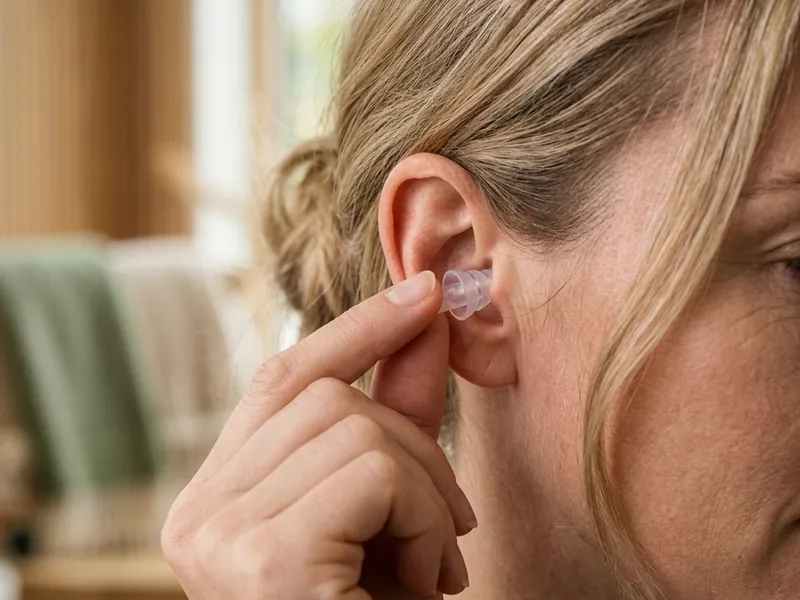
- Consider specialized pressure-equalizing earplugs designed for air travel.
6. When to Consult an ENT Specialist
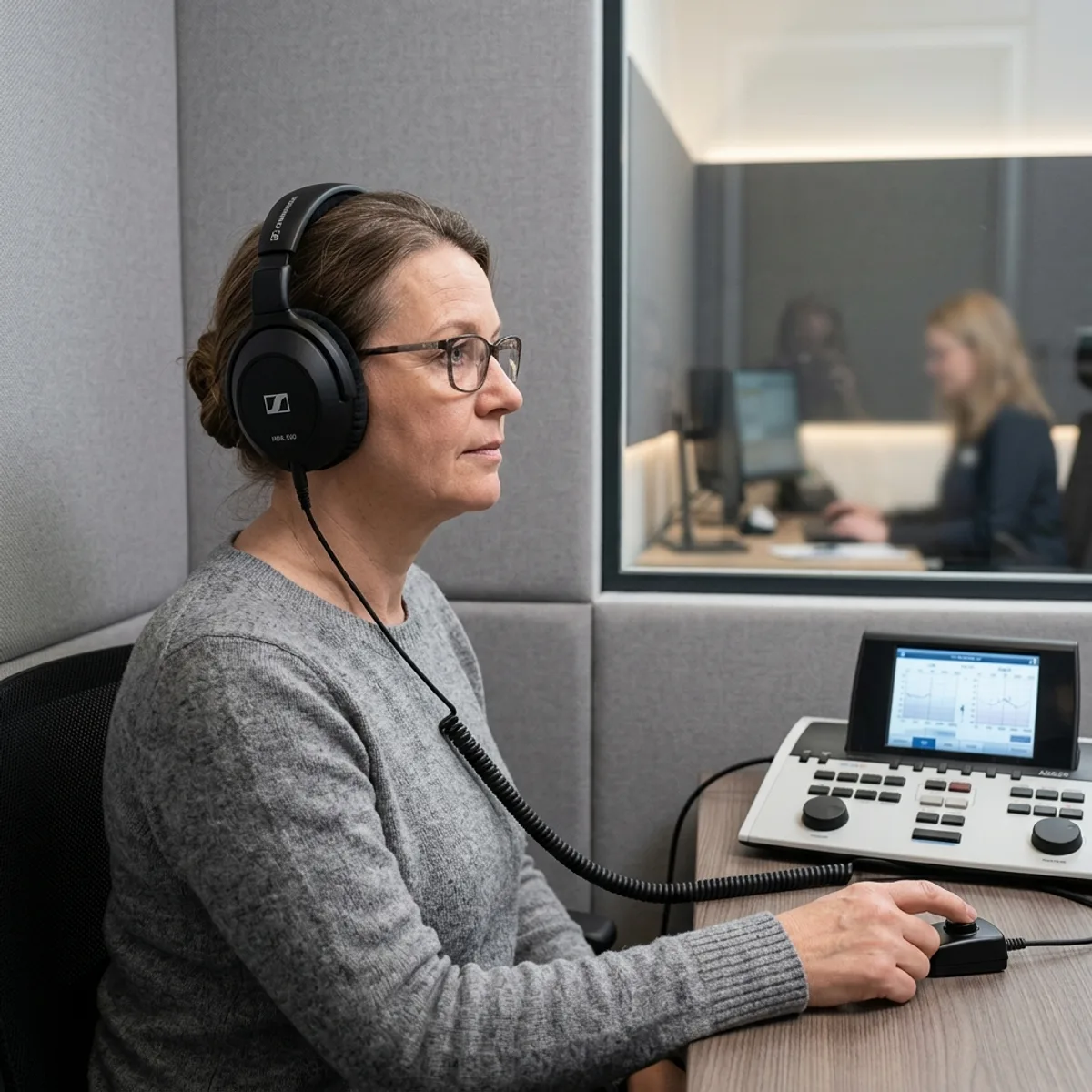
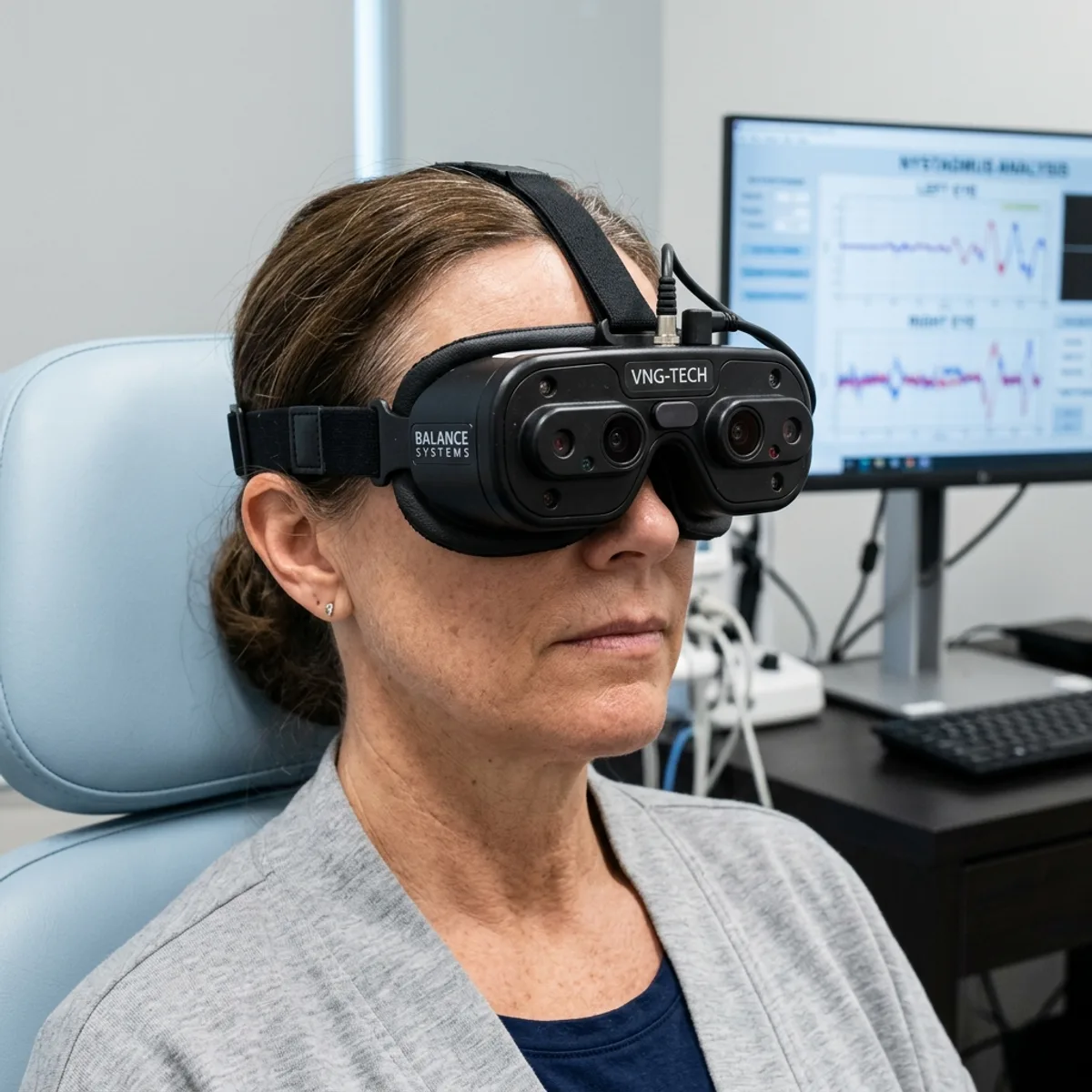
If ear fullness, severe pain, ringing (tinnitus), dizziness, or hearing loss persists for more than 24 to 48 hours after your flight, schedule an otolaryngological evaluation. An ENT specialist will perform an otoscopy to check for fluid accumulation (serous otitis media) or micro-tears in the eardrum and prescribe appropriate restorative care.

Dr. Karla Sanz
Otolaryngology & Head and Neck Surgery Specialist
Board-certified specialist in the prevention, medical diagnosis, and surgical treatment of ear, nose, throat, and head and neck conditions in Guadalajara and Zapopan.