Ringing in the ears—known medically as tinnitus—is the perception of sound in one or both ears (or inside the head) without an external acoustic source. Patients describe tinnitus in many ways: a high-pitched whistle, steady buzzing, ocean roaring, cricket chirping, or even a rhythmic pulsing sound.
It is vital to understand that tinnitus is not a disease in itself, but a clinical symptom indicating an underlying change within the auditory system, inner ear, or surrounding structures.
1. How Tinnitus Occurs in the Auditory System
When sensory hair cells in the inner ear (cochlea) become damaged or fatigued, they stop sending normal nerve signals to the brain. In response, the brain’s auditory cortex attempts to compensate for the missing sensory input by increasing its internal gain, creating a “phantom” nerve signal that you perceive as ringing.
2. Most Common Medical Causes of Tinnitus
A. Noise-Induced Hearing Loss (Acoustic Trauma)
Exposure to loud noises—from concerts, power tools, firearms, or high headphone volume—is the leading cause of inner ear hair cell damage and chronic tinnitus.
B. Age-Related Hearing Loss (Presbycusis)
As we age, inner ear structures naturally degrade over time, often producing gradual sensory hearing loss accompanied by mild, high-pitched tinnitus.
C. Earwax Impaction & Middle Ear Blockages
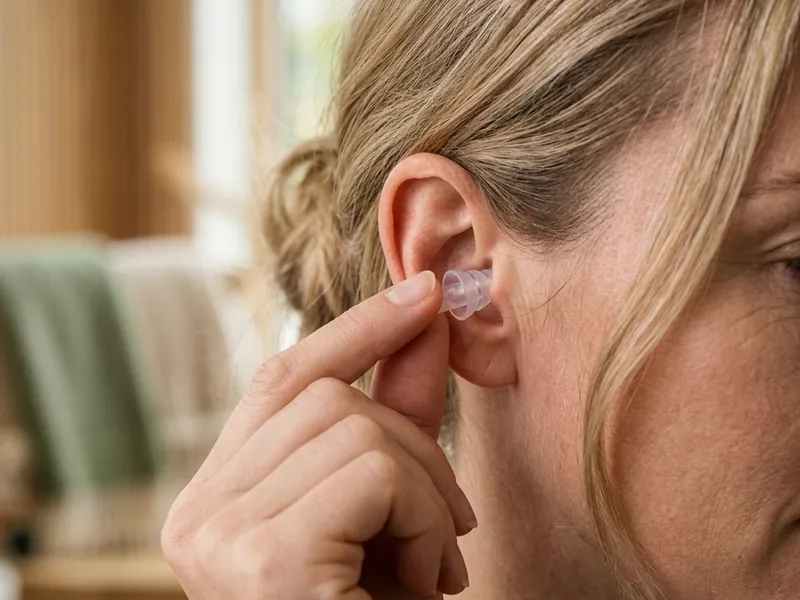
A physical plug of earwax touching the eardrum, middle ear fluid, or Eustachian tube dysfunction can alter sound transmission, making internal body noises and baseline tinnitus sound significantly louder.
D. Ototoxic Medications
Certain prescription medications can irritate or damage inner ear hair cells. Common ototoxic agents include high-dose aspirin, loop diuretics, aminoglycoside antibiotics, and certain chemotherapy drugs.
E. Temporomandibular Joint (TMJ) & Cervical Issues
The nerves supplying the jaw joint and upper neck intertwine with nerve pathways in the brainstem auditory system. Jaw clenching, teeth grinding, or TMJ inflammation frequently trigger or worsen somatosensory tinnitus.
F. Vascular Causes (Pulsatile Tinnitus)
If your tinnitus sounds like a rhythmic beating, thumping, or swooshing synchronized with your heartbeat, it is known as pulsatile tinnitus. This requires specialized evaluation to rule out vascular causes such as high blood pressure, turbulent blood flow, or vascular malformations.
3. Comprehensive ENT Diagnostic Evaluation
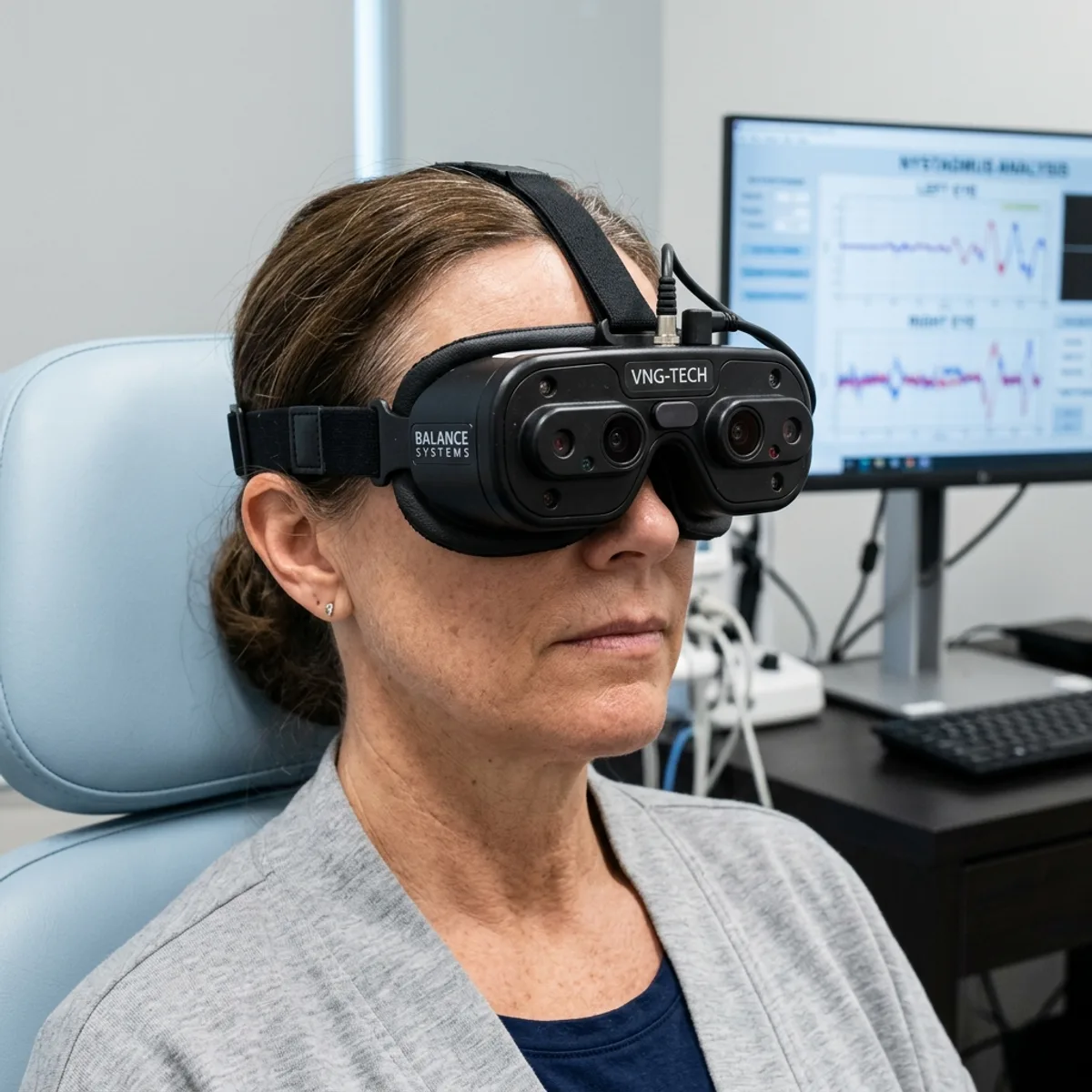
Because tinnitus stems from varied sources, a thorough medical evaluation by an Otolaryngologist involves:
- Otoscopy & Endoscopy: Inspecting the ear canal, tympanic membrane, and nasal passages.
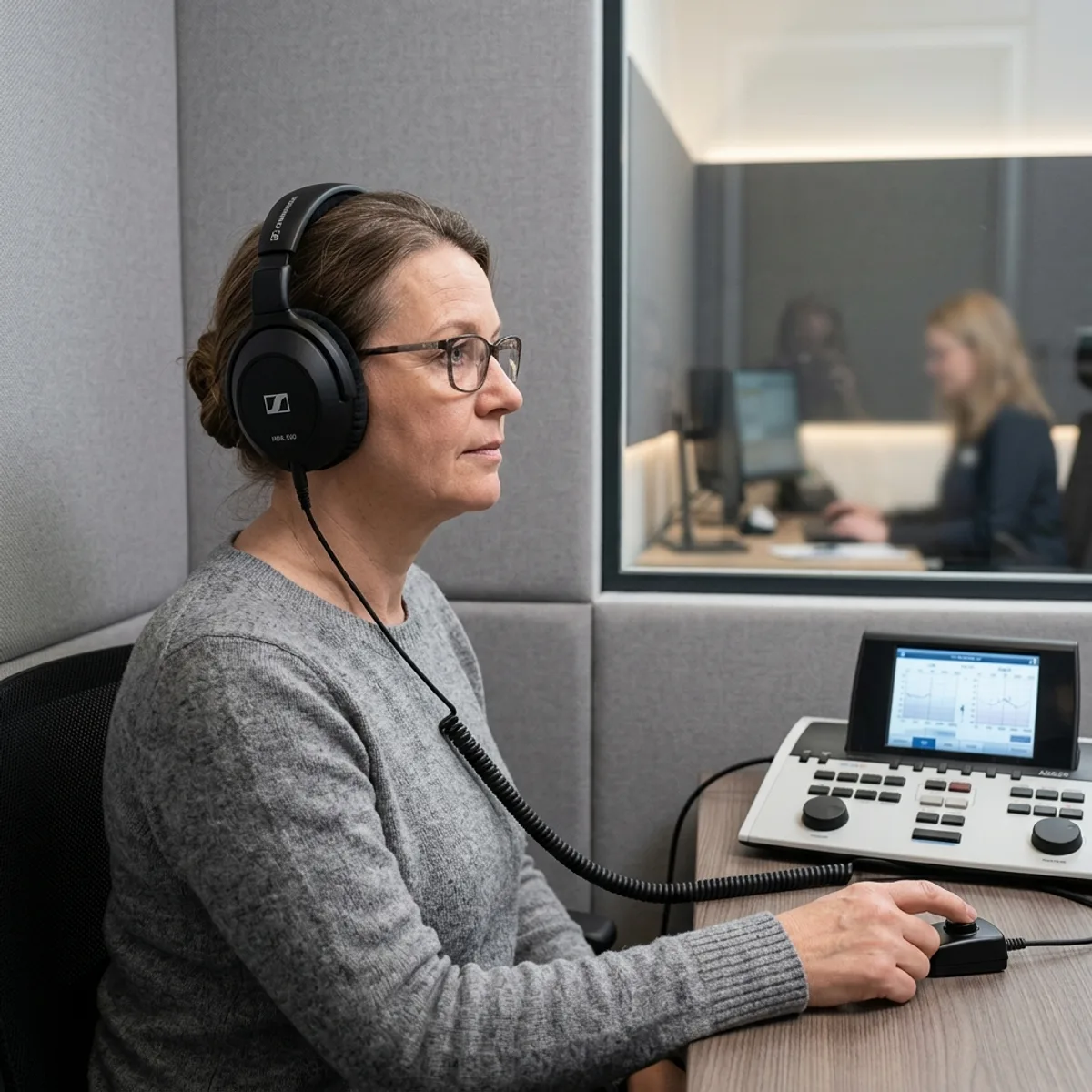
- Pure Tone Audiometry & Tympanometry: Formal hearing testing in a soundproof booth to assess hearing thresholds across frequencies and measure eardrum mobility.
- High-Frequency Audiometry & Tinnitus Matching: Pinpointing the precise pitch and loudness of the ringing signal.
- Imaging (MRI / CT): Indicated in cases of asymmetrical (one-sided) tinnitus, sudden hearing loss, or pulsatile tinnitus to evaluate the auditory nerve and surrounding blood vessels.
4. Red Flag Symptoms: When to Consult an ENT Immediately
Schedule an ENT evaluation promptly if your tinnitus:
- Occurs in one ear only (unilateral tinnitus).
- Appears suddenly without an obvious trigger.
- Is accompanied by sudden hearing loss, vertigo, or loss of balance.
- Is pulsatile (beating in sync with your pulse).
- Causes severe sleep disturbance, anxiety, or emotional distress.
5. Modern Management & Treatment Options
While there is no single “magic pill” for every form of tinnitus, effective, evidence-based management strategies can significantly reduce its volume and emotional impact:
- Treating Underlying Causes: Removing cerumen impaction, resolving middle ear fluid, or adjusting ototoxic medications.
- Sound Therapy & Masking Devices: Using ambient white noise, nature sounds, or specialized hearing aids with built-in tinnitus maskers to retrain the brain’s focus.
- Tinnitus Retraining Therapy (TRT) & Cognitive Behavioral Therapy: Desensitizing the central nervous system so the brain learns to filter out tinnitus signals as neutral background noise.
If ringing in your ears is affecting your peace of mind or hearing, schedule a specialized ENT evaluation with Dr. Karla Sanz in Guadalajara for expert diagnostic clarity.

Dr. Karla Sanz
Otolaryngology & Head and Neck Surgery Specialist
Board-certified specialist in the prevention, medical diagnosis, and surgical treatment of ear, nose, throat, and head and neck conditions in Guadalajara and Zapopan.